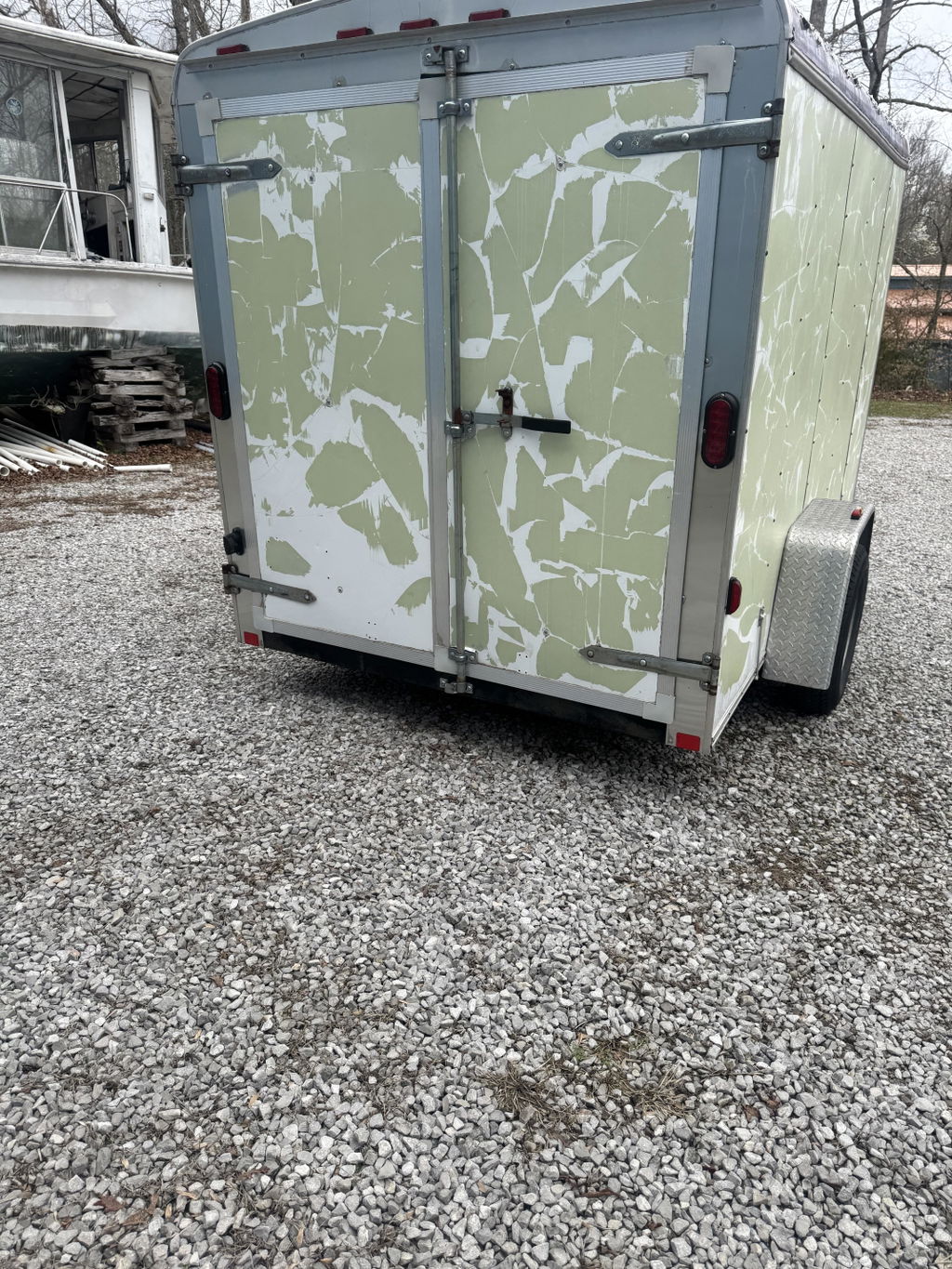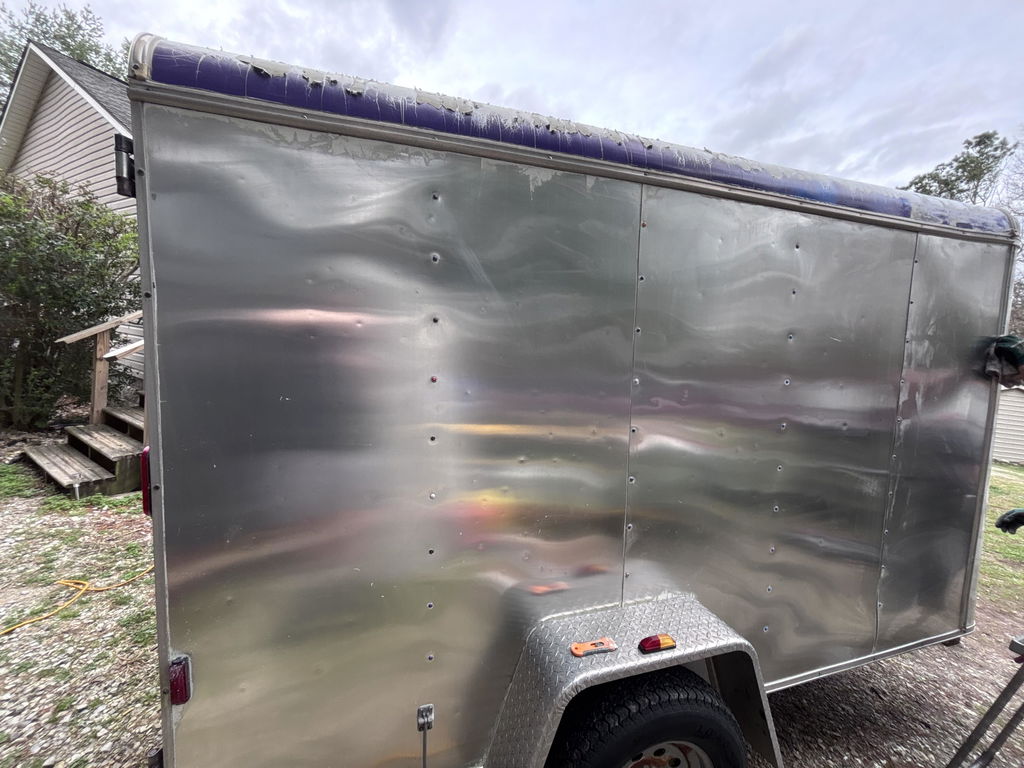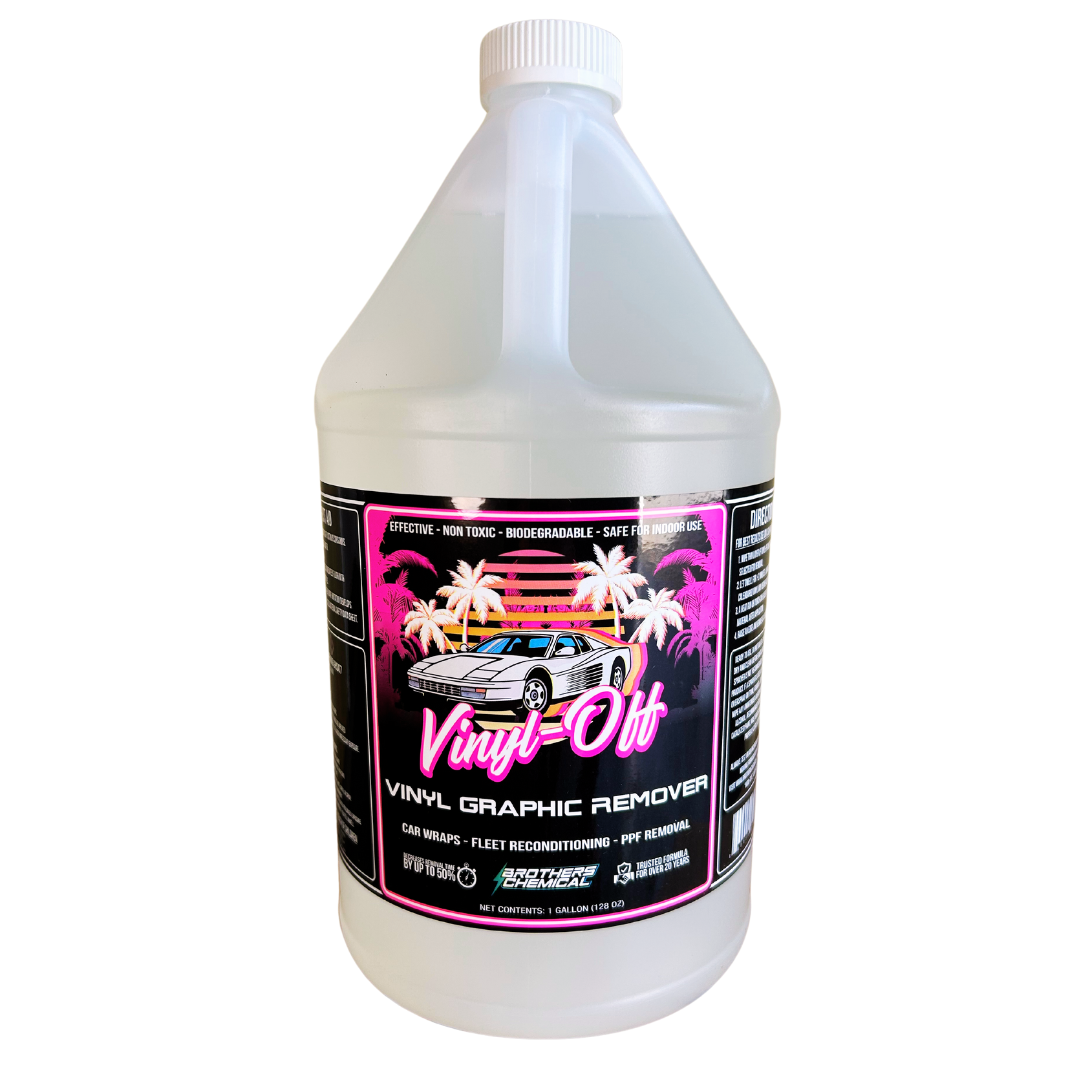


Built for the jobs that eat the most time — baked-on wraps, stubborn decals, and racing stripes that fight back. Vinyl-Off softens failed vinyl wrap and paint protection film when heat alone isn't working.
Anyone who's removed baked-on vinyl knows how brutal it can be. Film splits. Adhesive smears. It's slow, sticky, and frustrating. Vinyl-Off gives you a smarter process: apply it, let it dwell, hit itwith heat, and peel. When the conditions are right, the film and adhesive come off together — clean, fast, and with less mess.
Always test on a small area before full application. Keep away from all acrylics, plastics, and headlights.
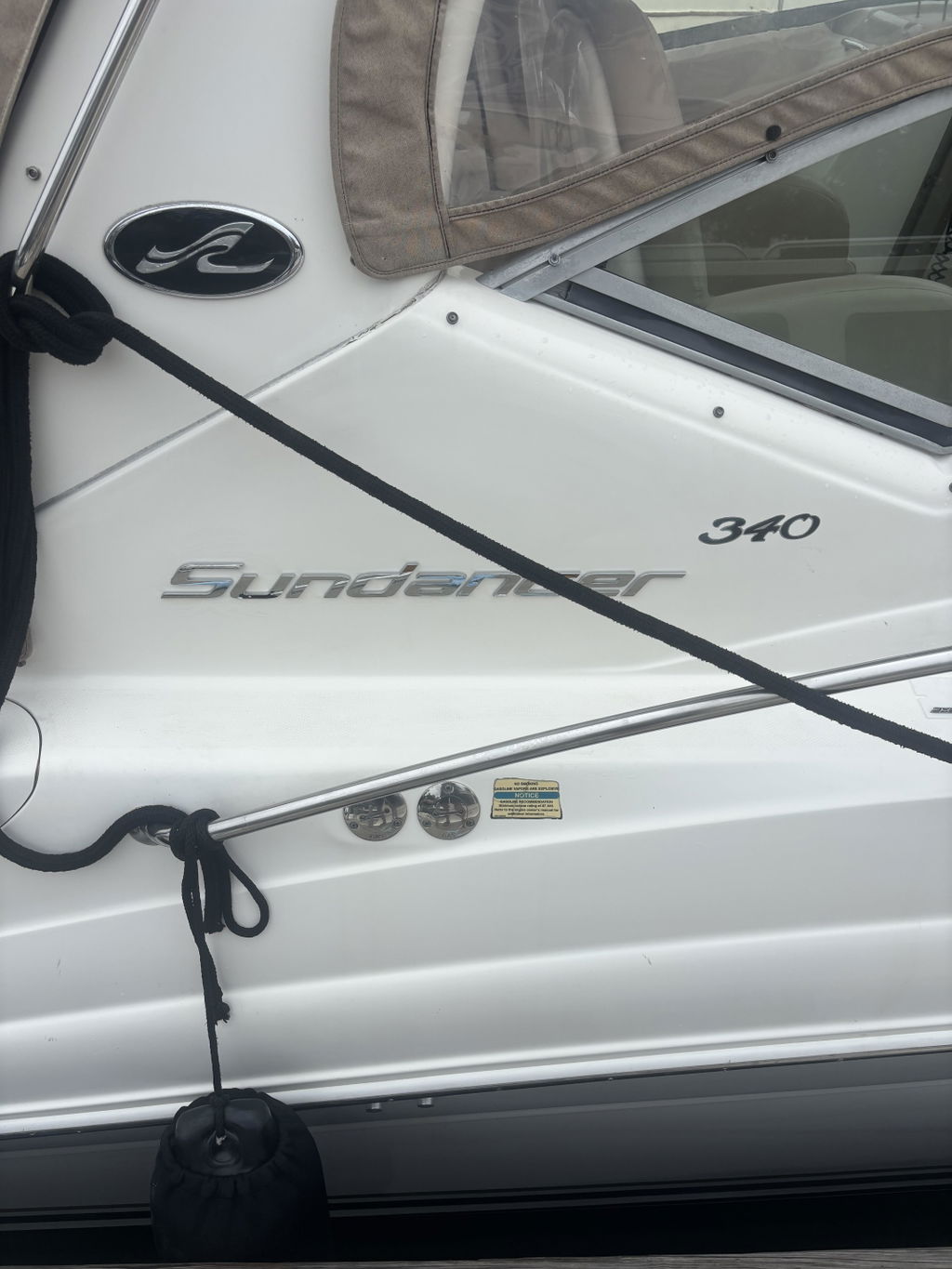
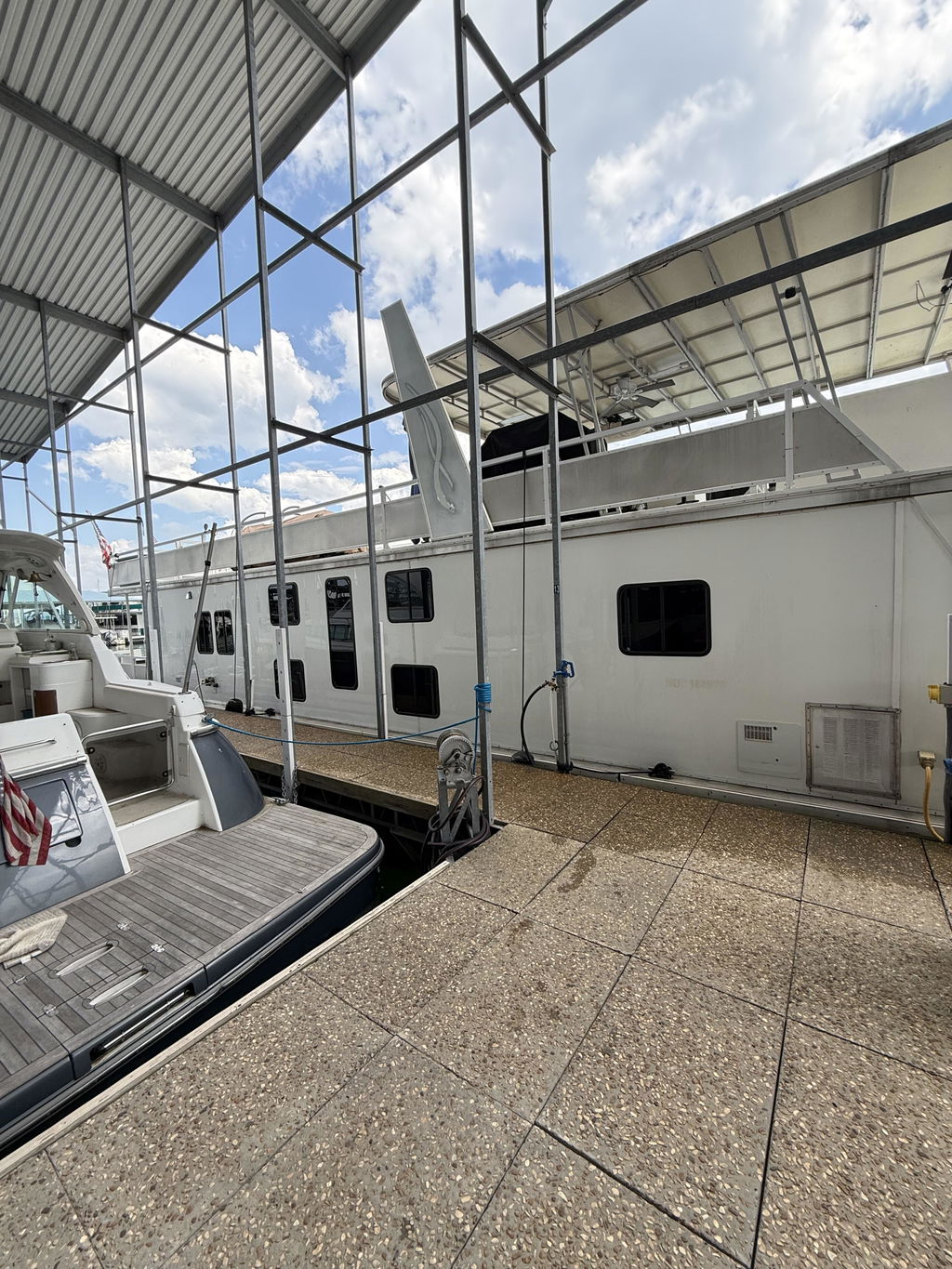
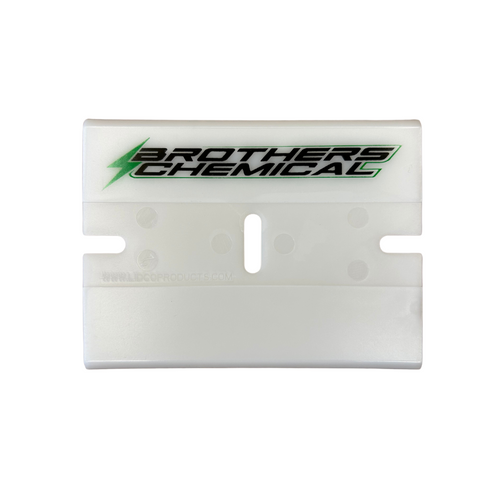
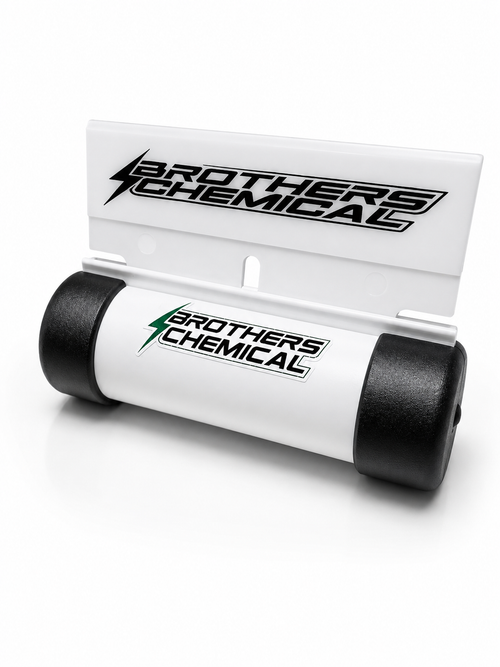
This vinyl remover coupled with the plastic scraper had my old sea ray stickers off in a jiffy.
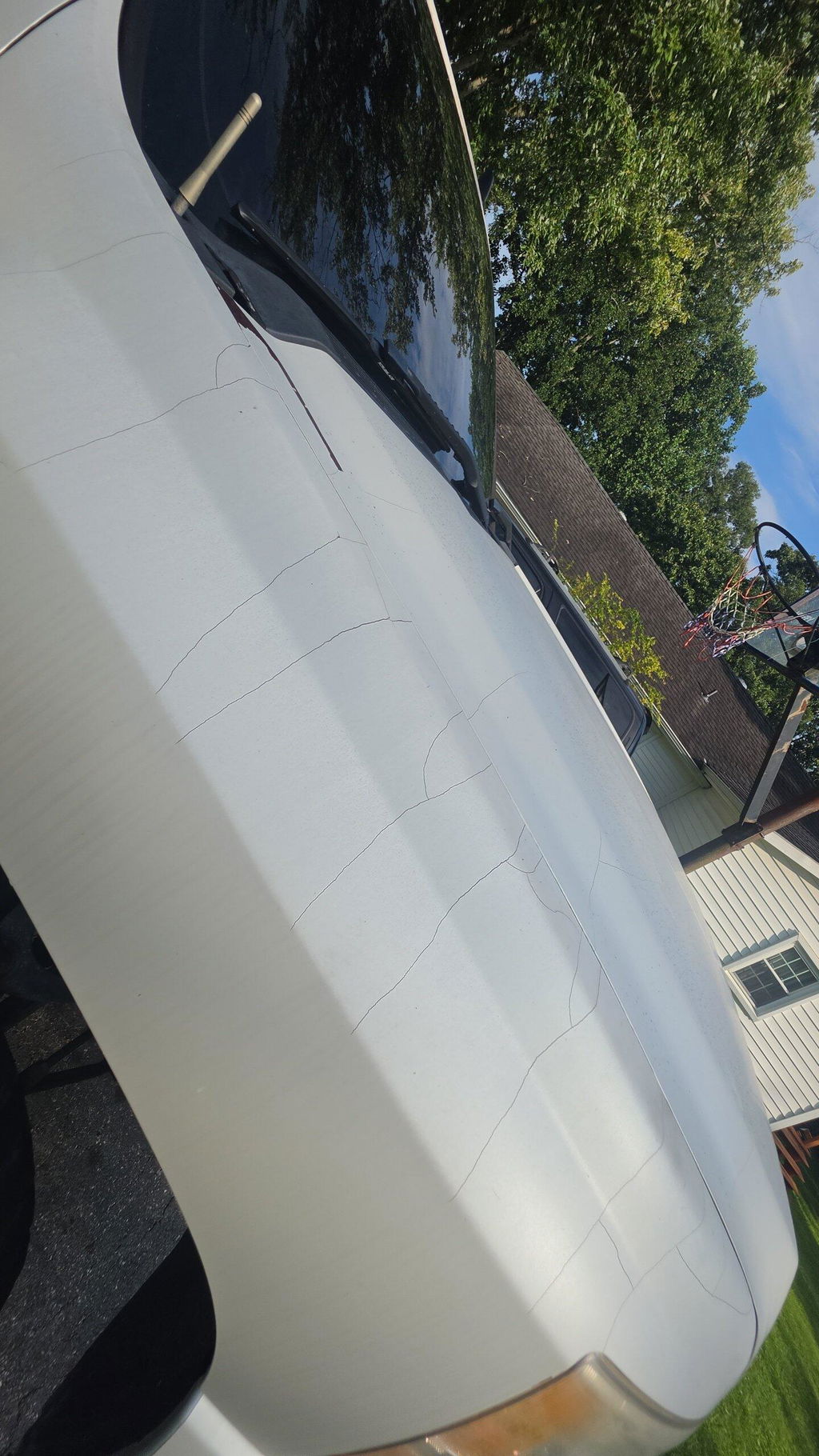
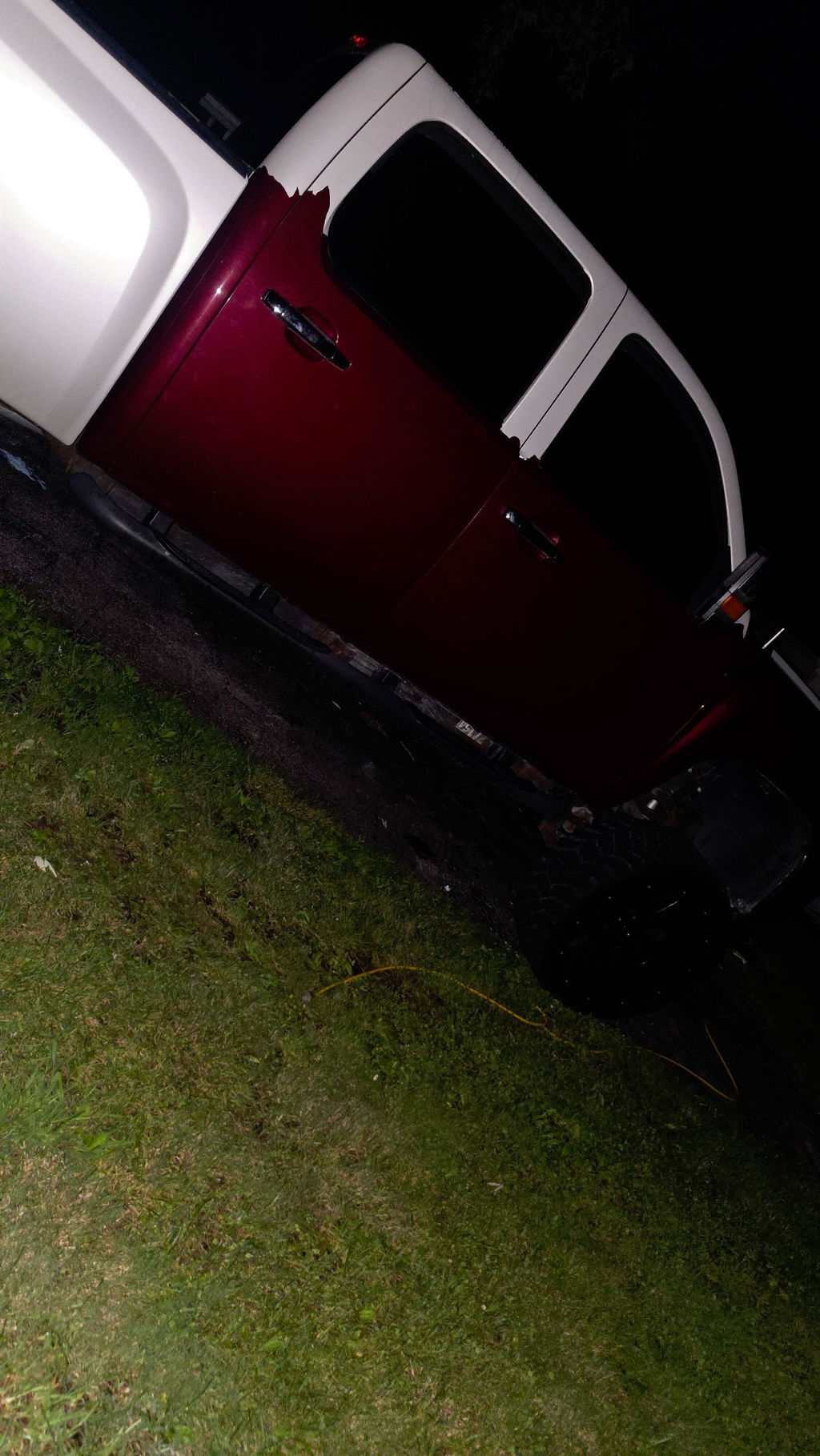
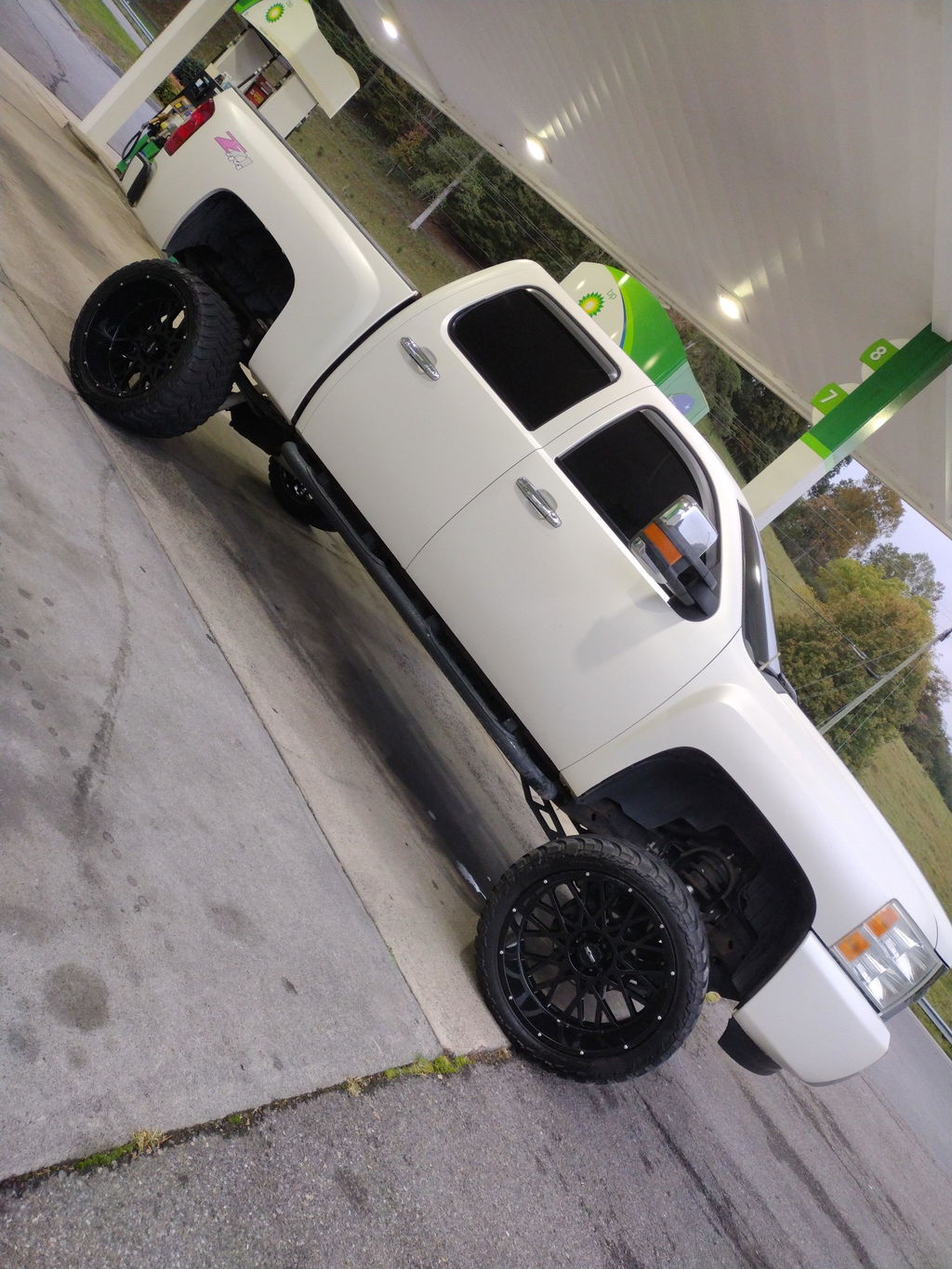
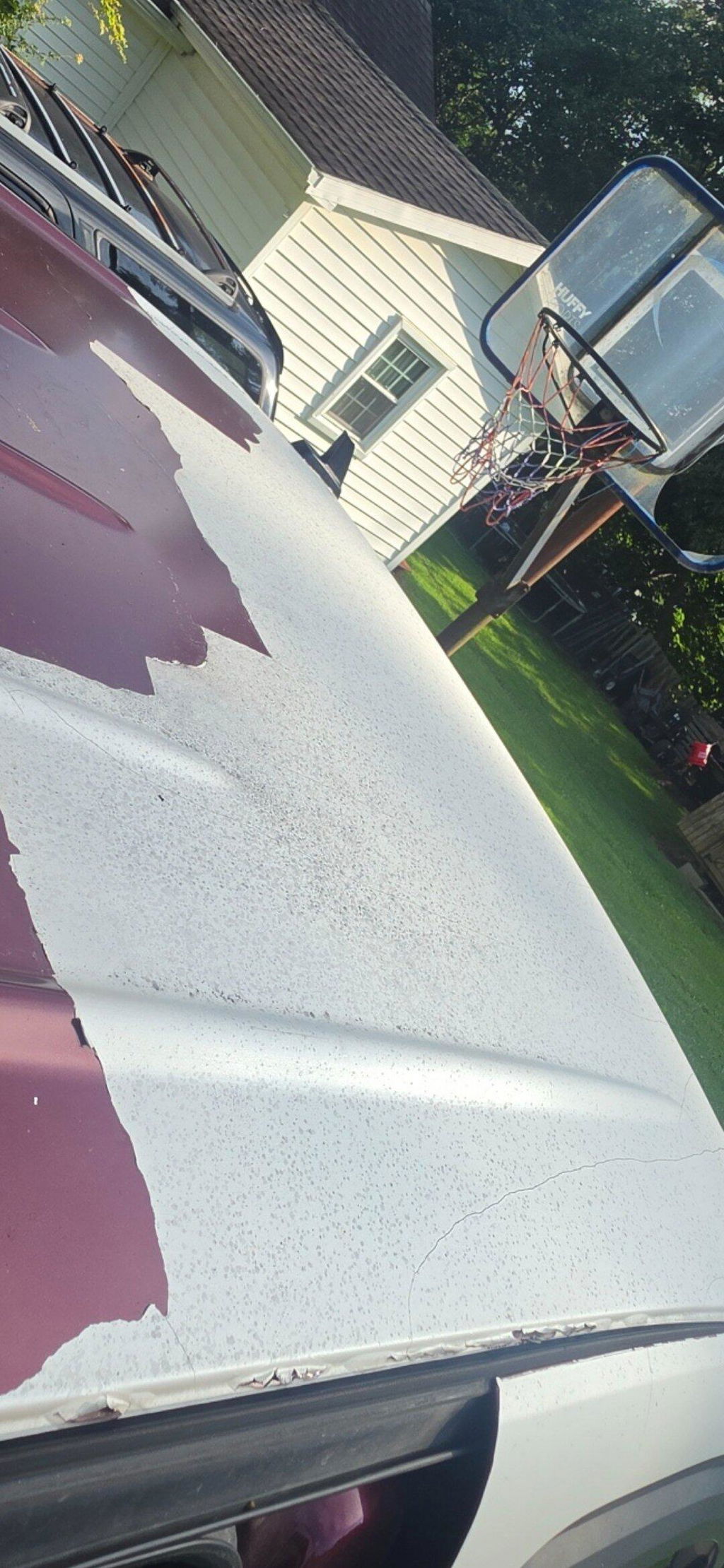
THIS STUFF WORKS!!! I have a 2013 silverado thats been wrapped for close to 6 year. I was using a heat gun to remove the vinyl wrap. Worked decent on the side body panels, but closer I got to the top of the truck, the harder it was to remove and pretty much was about to give up and pay someone to finish it. I spent close to 4 hours on the roof alone and only had it half done using the heat gun method. Then someone recommended this stuff and I was very skeptical about it. Watched many videos and decided to buy a quart and try it out today. Boy am I glad I did!! I started with the hood it was worst than the top. I took a 6" foam roller and rolled it on and applied it a couple times over a 10 to 15 minute period. I removed all the cracked vinyl from the hood in 45 minutes. So if your thinking about buying to remove old brittle cracked up vinyl, go ahead and do it. It will save you alot of time and crying.
Talk about a guy who does his research! Thanks for the review, it helps us a ton.
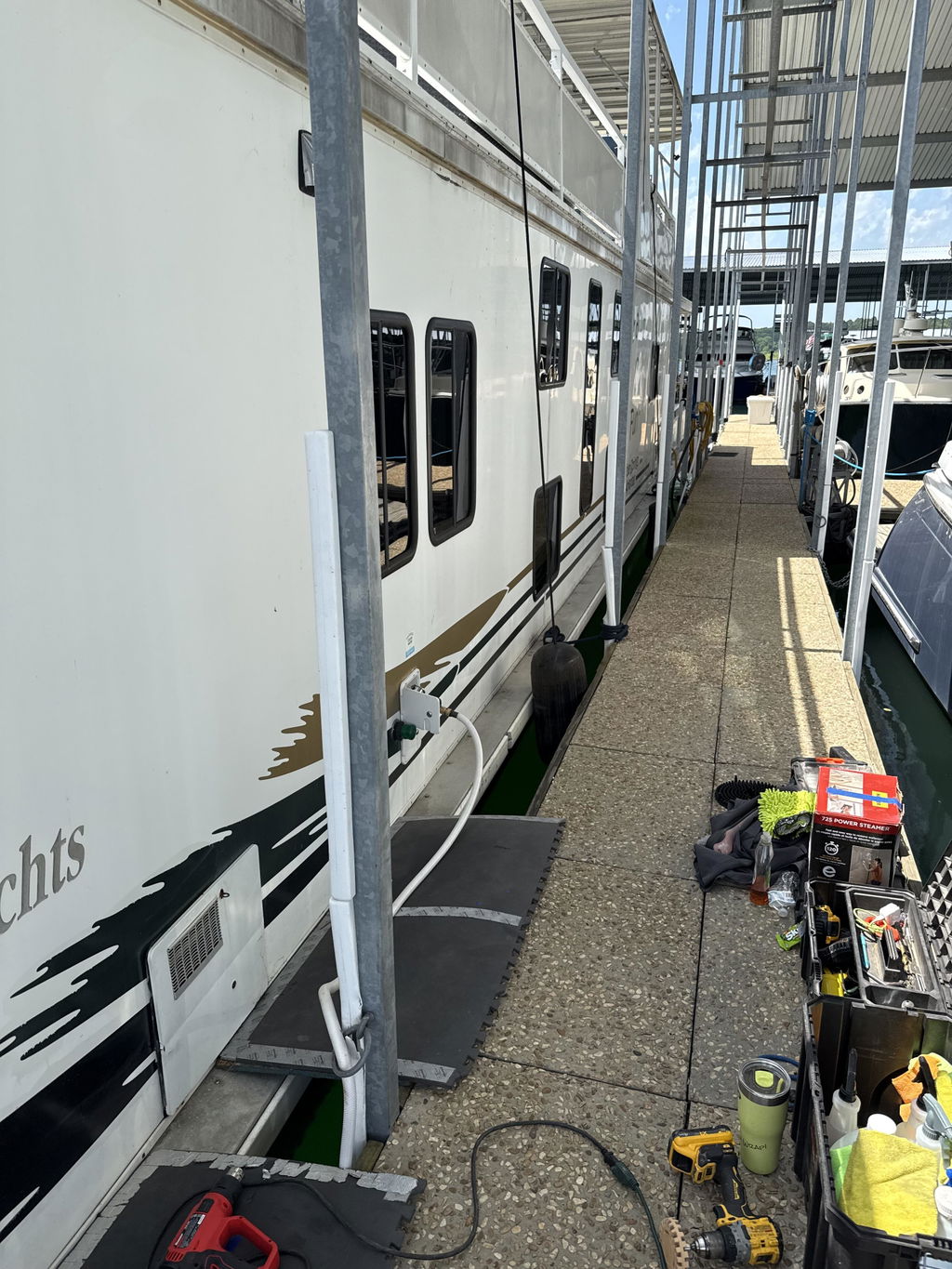
Removing a diamond shield from my class
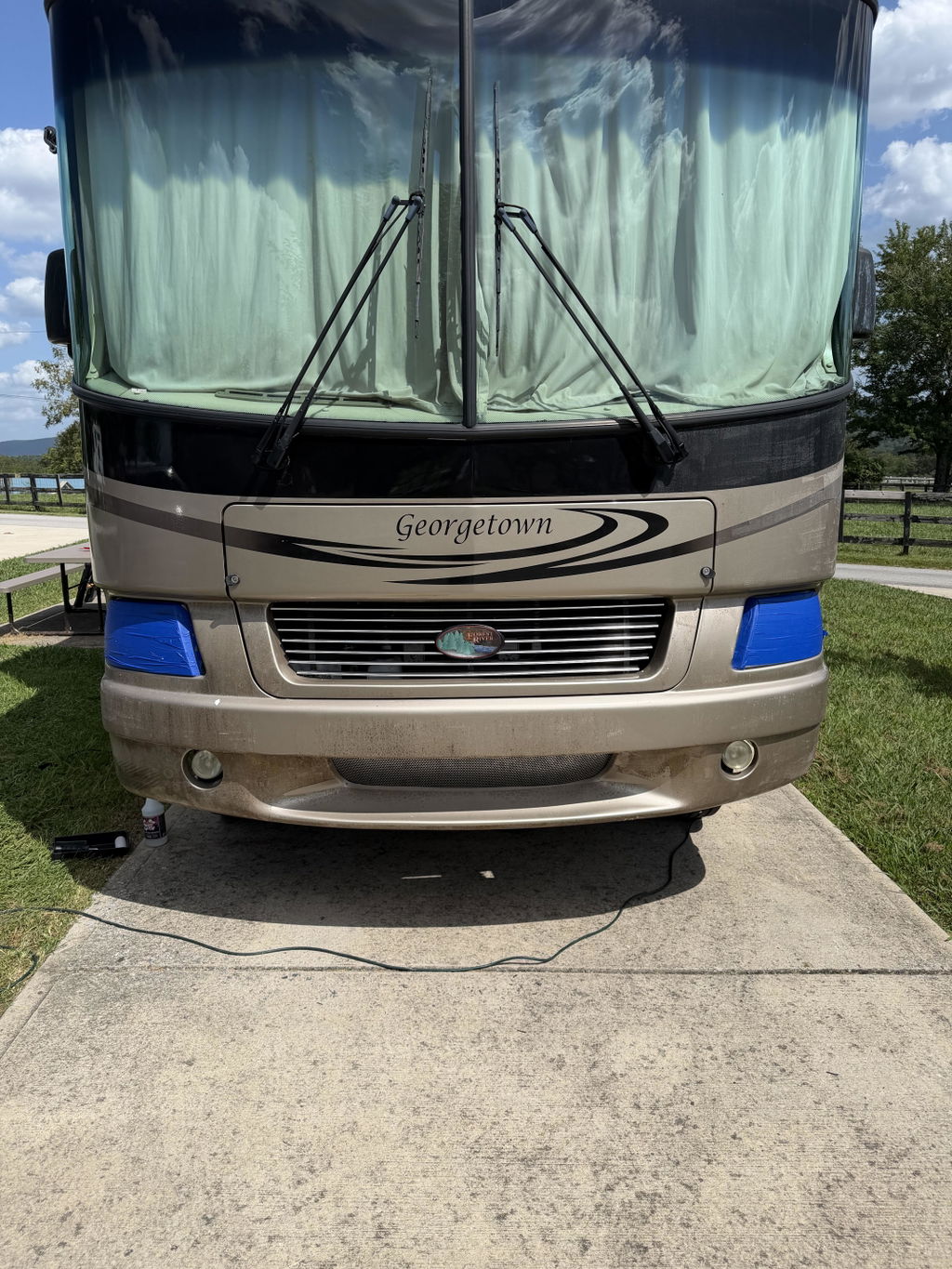
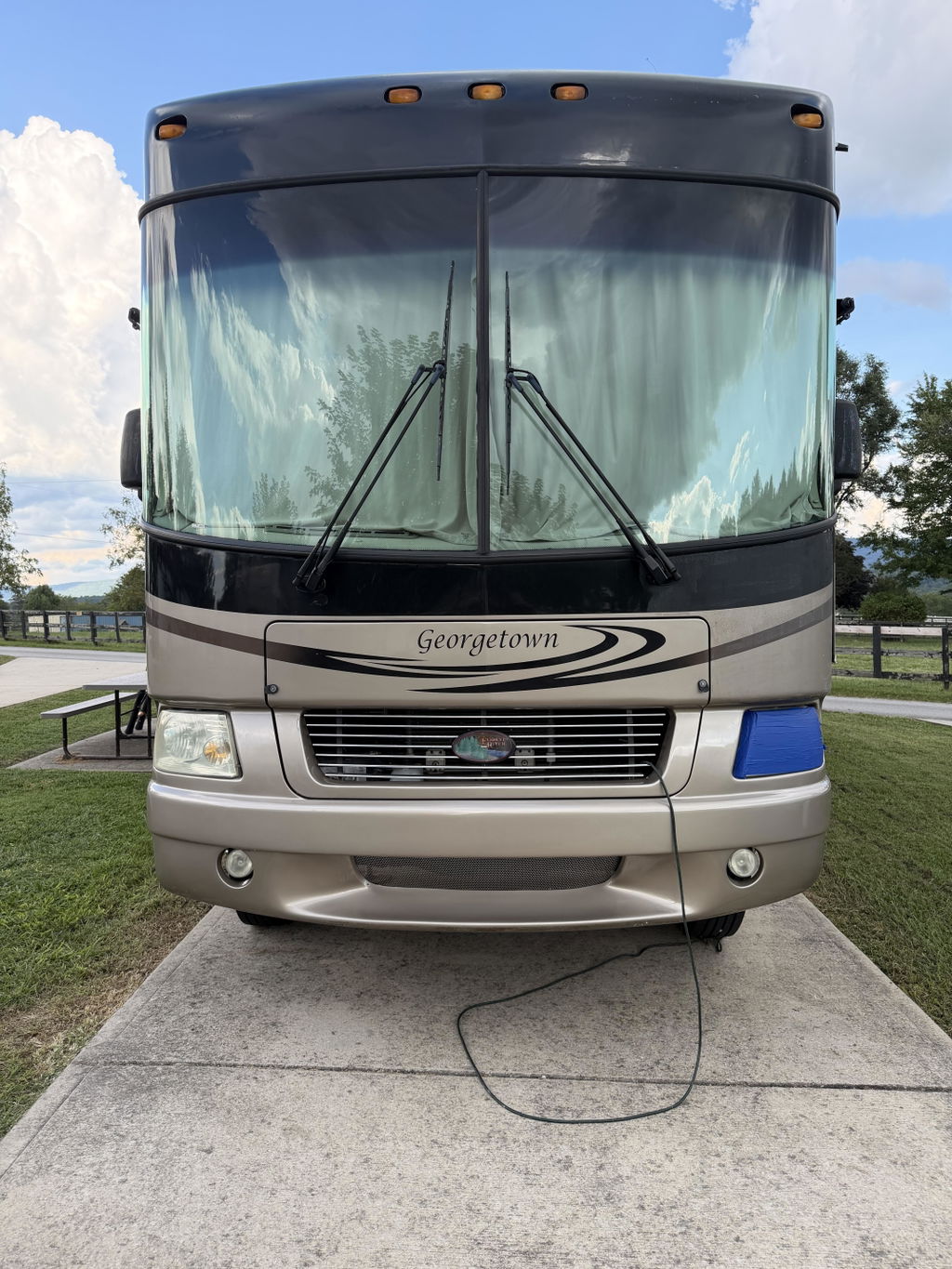
RV, this product really works!!
Vinyl-off saves alot of time and works great. The plastic scraper is works really well together.
I didn’t even follow directions! I needed my old wrap (applied in 2019) off asap. The day wasn’t cooperating with temperature so I went at it anyway. Heat gun on low to barely heat the surface and it came off in giant sheets. I’m sure if I followed direction it would’ve pulled much easier as it did take a lot of effort. It also left no adhesive behind. I’m a believer and posted my results on my pressure washing Facebook group to share my experience. Thanks Brothers!
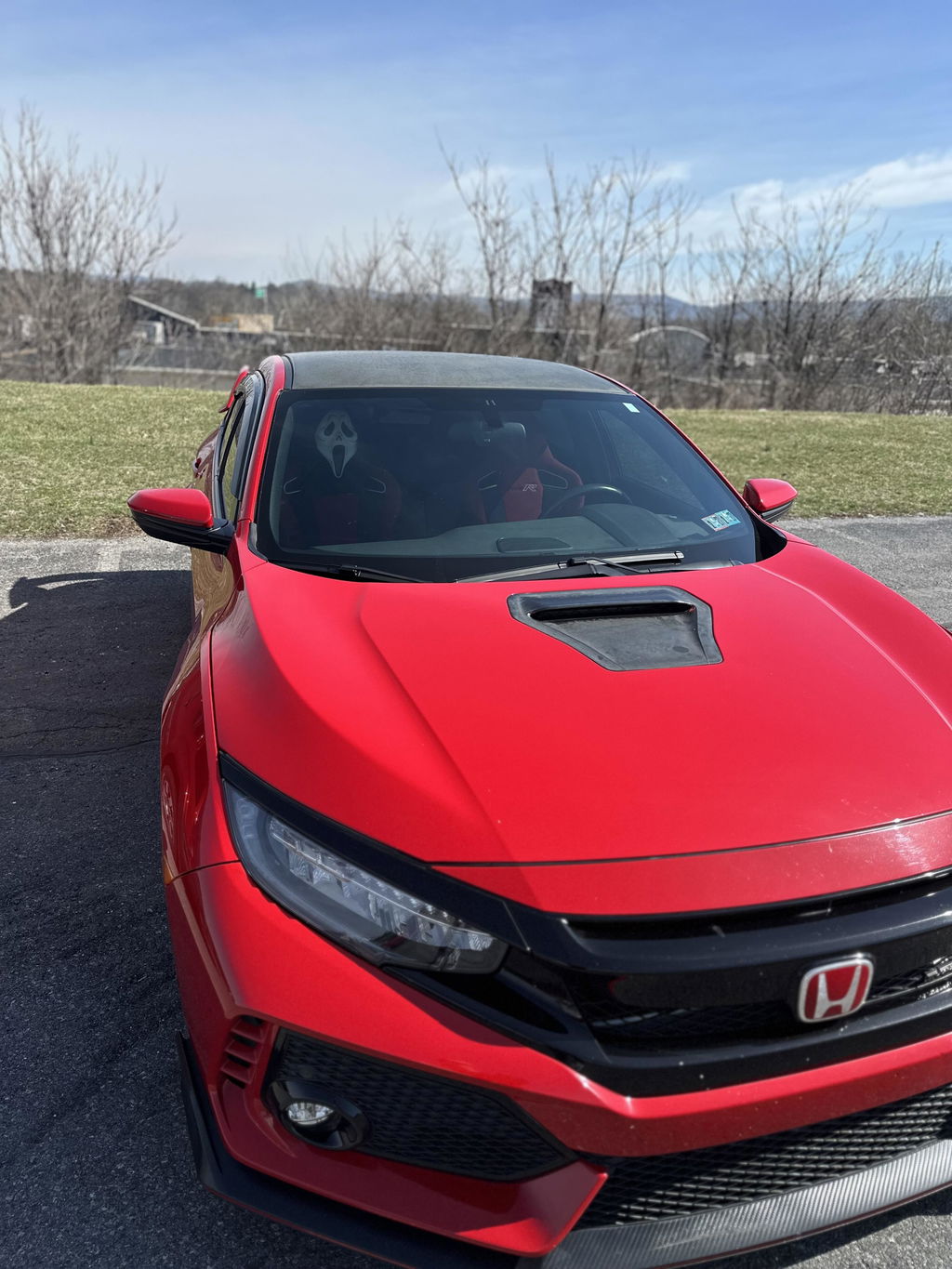
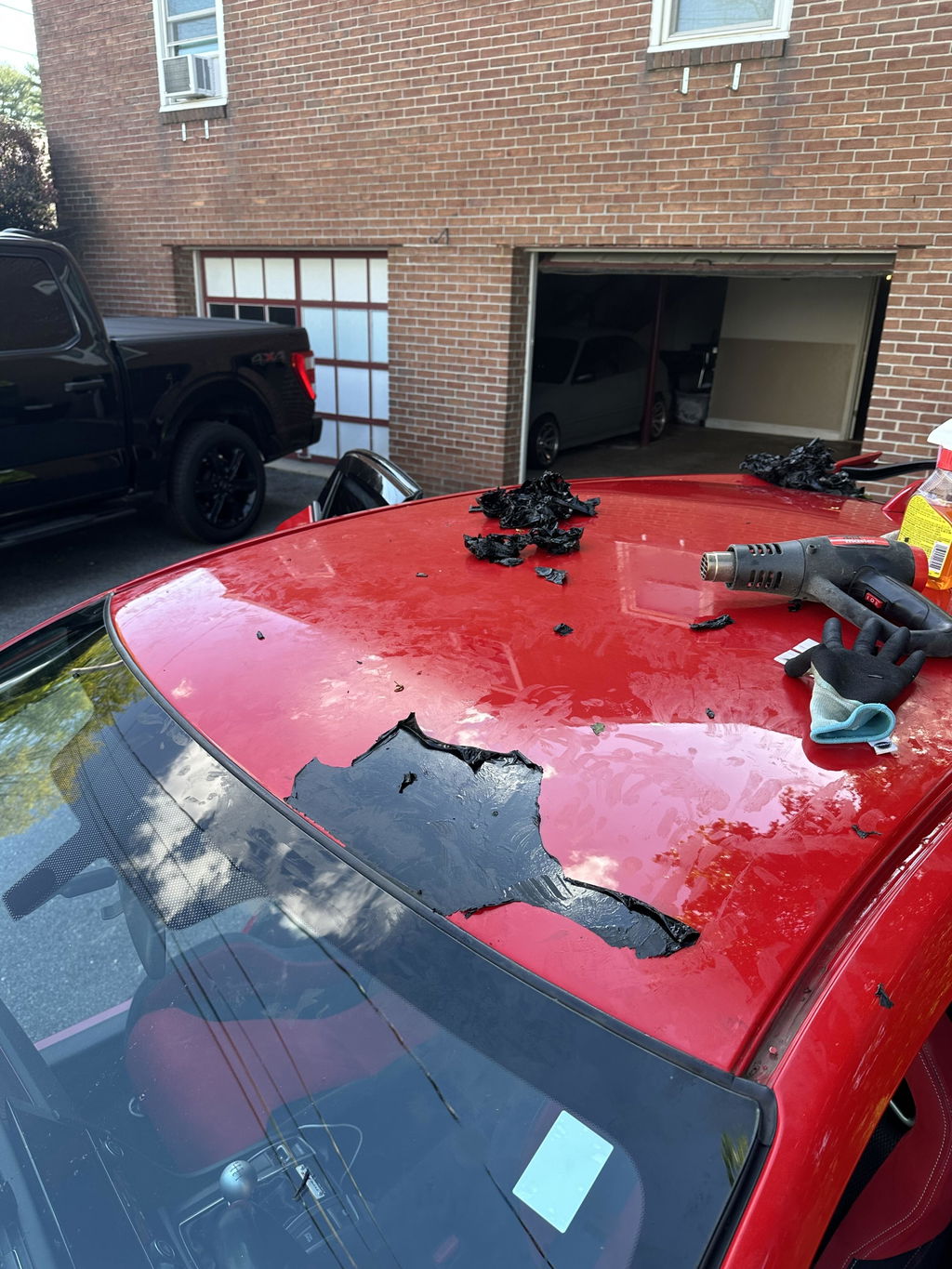
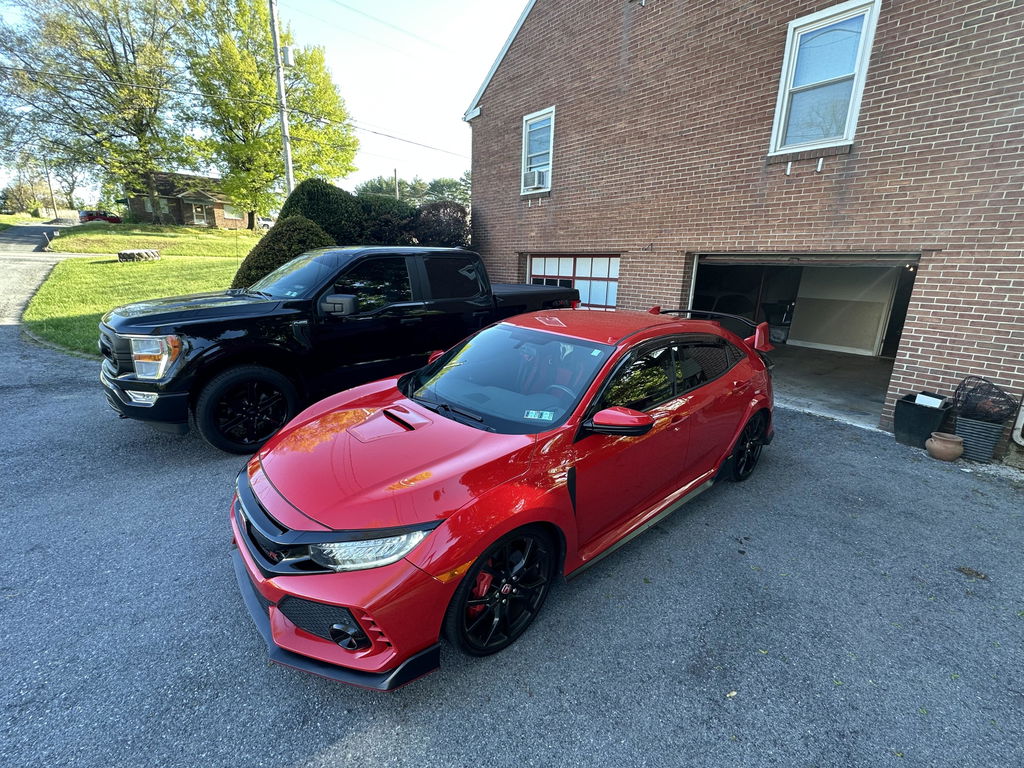
Bought a car with preexisting vinyl on the roof and hood vent. It was faded bad so I know it was old. It was chipping off in dry thin flakes in some places. This stuff softened even the hardest spots and it came right up with the scraper and a little heat. I did mine sitting in the sun (after driving around in the sun for a few hours prior as well) and had a heat gun for support but didn’t need it much. Overall great product does what it says, no smell, it did smoke some in the sun 🫣, didn’t irritate my skin when it touched me, cleaned up easy.
Thank you so much Heather! Really appreciate you taking the time to review and post pictures. Big help to us
This is an awesome product. I applied the product with a rag and let it dwell for 60 seconds, and the vinyl came right off, leaving little if any residue.
Product worked great uninstalling a 14 year wrap
Awesome Job.
I am a 40 year veteran in the fleet graphics industry Best vinyl removal product on the market.Safe, quick and very effective.
Product is amazing. Works as described. Saved me tons of time
This stuff actually works. It turned the vinyl on my 2002 fleetwood bounder into butter and was able to scrape them off. If you follow directions and use heat as they say. I can honestly say it works!
I had low expectations for trying to remove PPF that was over 20 years old on the radome of an aircraft without destroying the paint. No one wanted to touch it and told me that I would have tor repaint the entire front of the aircraft, so I figured it was worth a try. I put the product on, let it dwell for a couple of hours in the sun under some cling wrap to hold in moisture. Voila! used a plastic scraper and the 20 year old, cracked and yellow film came right off. I expected hours of work and I had the whole thing completed in an hour including removing the leftover glue with Brother's adhesive remover, that also worked quite well. New film installed and back on the plane in under two hours, and about $2,500 + downtime saved.
We had an issue come up with Brothers Chemical, and their customer service was excellent from start to finish. They were responsive, professional, and stayed on top of everything until the issue was completely resolved.
It’s easy for a company to look good when everything goes smoothly, but how they handle a problem really says a lot. Brothers Chemical took care of us and made sure we were satisfied.
Great company, great customer service, and I highly recommend them!
Better off using an eraser wheel on metal. Ona plastic bumper it may work iif the ppf is not cracked and fairly new
Got the vinyl off easier than we could’ve imagined!
We try! Thanks Mike!
It worked for the most part well, we had to reapply several times in some areas to make it work , overall good
awesome product really works very satisfied!!
Leo - thank you so much sir. Reviews help us a ton!
Works well after 2 coats with a roller and light heat gun, comes off almost like Butter.
Awesome product ! Saves me time which means less labor and can produce more . Last but not least is their customer service.
Customer service and support is our number one priority! Call us anytime, brother. Thanks for the review.